
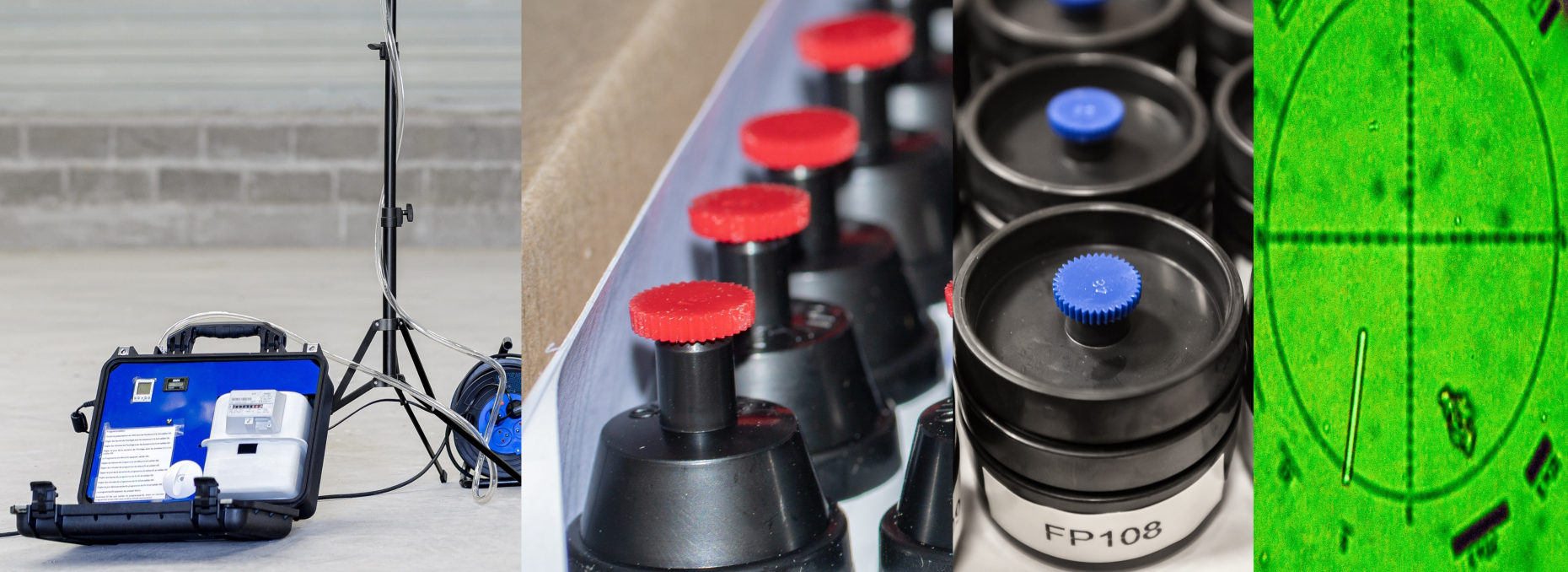
PCM Air Clearances
Here at Hazmat One, we offer both Phase Contrast Microscopy (PCM) and Transmission Electron Microscopy (TEM) air clearance testing. All of our inspectors are NIOSH and AHERA certified inspectors. We have a full mobile lab that enables us to test, analyze, and report results as quickly as possible. We don't have to wait on a separate lab for most testing related to Asbestos.
For Mold testing, we require at least 2 business days for the results as the mold cassettes we use require more in-depth analysis.
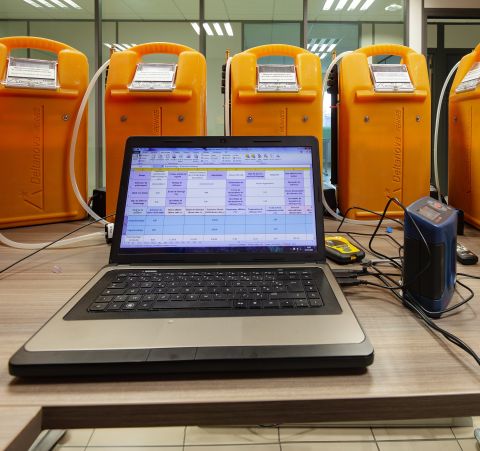
PCM - How does it work?
PCM Air Clearances are typically performed after an abatement contractor has completed their asbestos or mold removal.
There are usually 4 common steps involved:
- Air pumps draw air through a special air sample cassette. These cassettes have filters in them that will collect anything in the air, such as asbestos fibers or mold spores.
- Once the air clearance testing is complete, then the filters are removed from the cassettes and analyzed with a PCM scope. The lab technician will review the filter and count the number of fibers (if any) seen in the sample.
- The lab technician will then deliver the lab results report which will shows the number of fibers or spores found per cubic centimeter of air. The area tested would be considered clear if the lab analysis shows a concentration of less than 0.01 f/cc.
- Note: if the PCM test shows high levels of fibers, then you may opt for a TEM air clearance to gain a more precise and definitive analysis.
TEM - How does it work?
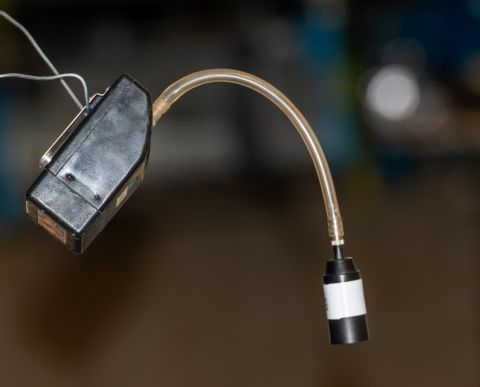
TEM Air Clearances are very similar to the PCM clearance detailed above. It is typically performed after an abatement contractor has completed their asbestos or mold removal.
There are usually 4 common steps involved:
- Air pumps draw air through a special air sample cassette. These cassettes have filters in them that will collect anything in the air, such as asbestos fibers or mold spores. The specially calibrated air pump draws a minimum air volume through the specialized filter.
- The filter is then analyzed using a TEM scope. The primary difference between PCM and TEM is the fact that the TEM scope uses a much higher resolution. This allows the lab technician to review the sample for morphology, crystal structure, and elemental composition.
- The lab technican is then looking for a specific clearance level to determine whether or not the air is "clean". Using the AHREA regulated standard, the "passing" level for a TEM clearnace is 70 asbestos structures per quare millimeter (70 structures/mm squared).
Mold Air Clearance Testing
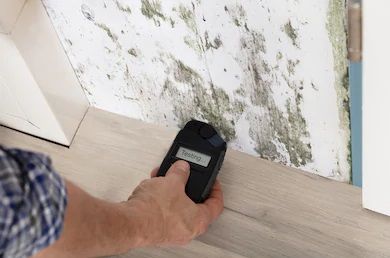
Mold air clearances follow the same pattern as asbestos air clearances. It is typically performed after an abatement contractor has completed their mold removal.
There are usually 4 common steps involved:
- Air pumps draw air through a special air sample cassette. These cassettes have filters in them that will collect mold spores in the air (if any). The specially calibrated air pump draws a minimum air volume through the specialized filter.
- The collected samples are then analyzed in the lab to determine what the concentration of mold spores (if any) remain in the air. These are measured by mold spores per cubic meter of air.
- The lab results are then compared to industry standard results. Levels below 500 spores per cubic meter are considered "passing", but depending on the type of mold, the specific "passing" criteria may differ.